 English
 Español
  Português
  русский
  Français
  日本語
日本語  Deutsch
  tiếng Việt
  Italiano
  Nederlands
  ภาษาไทย
  Polski
  한국어
한국어  Svenska
  magyar
  Malay
Malay  বাংলা ভাষার
  Dansk
Dansk  Suomi
Suomi  हिन्दी
  Pilipino
  Türkçe
  Gaeilge
  العربية
  Indonesia
  Norsk
Norsk  تمل
تمل  český
český  ελληνικά
  український
  Javanese
  فارسی
فارسی  தமிழ்
தமிழ்  తెలుగు
  नेपाली
  Burmese
  български
  ລາວ
ລາວ  Latine
  Қазақша
  Euskal
  Azərbaycan
  Slovenský jazyk
  Македонски
  Lietuvos
  Eesti Keel
  Română
  Slovenski
  मराठी
मराठी  Srpski језик

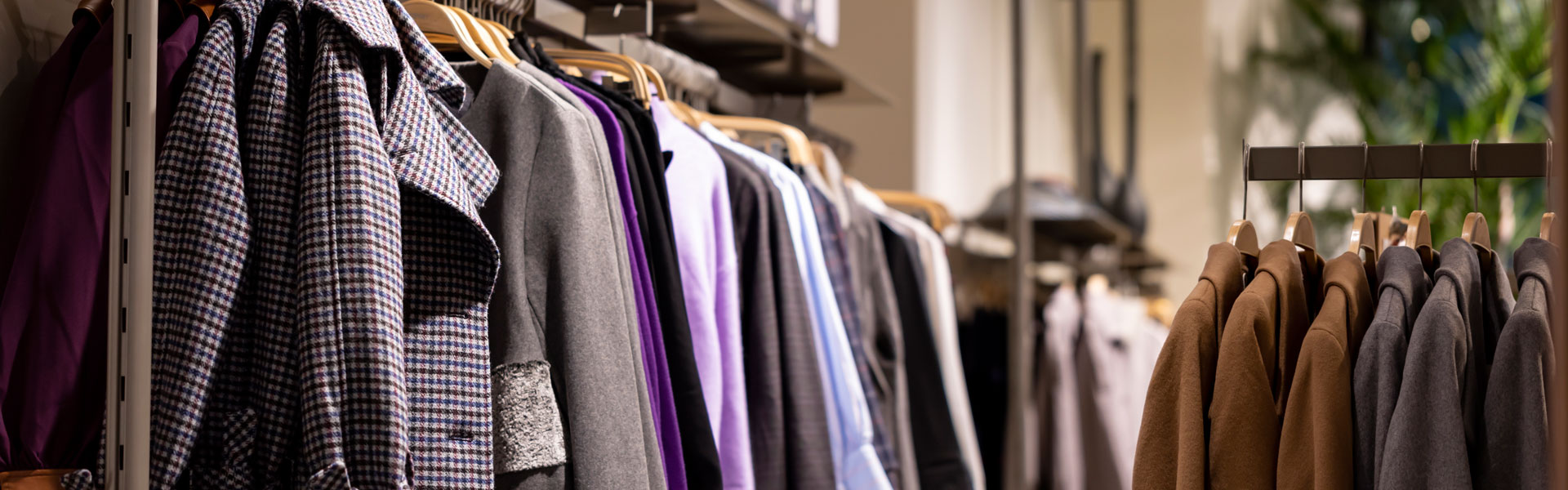
Why Choose Light Woolen Fabric for Modern Apparel and Interiors?
Light woolen fabric has increasingly become a staple in contemporary fashion and interior design due to its unique combination of comfort, breathability, and durability. Unlike heavier wool types, light woolen fabric provides warmth without bulk, making it ideal for all-season wear, versatile layering, and elegant drapery in home décor.
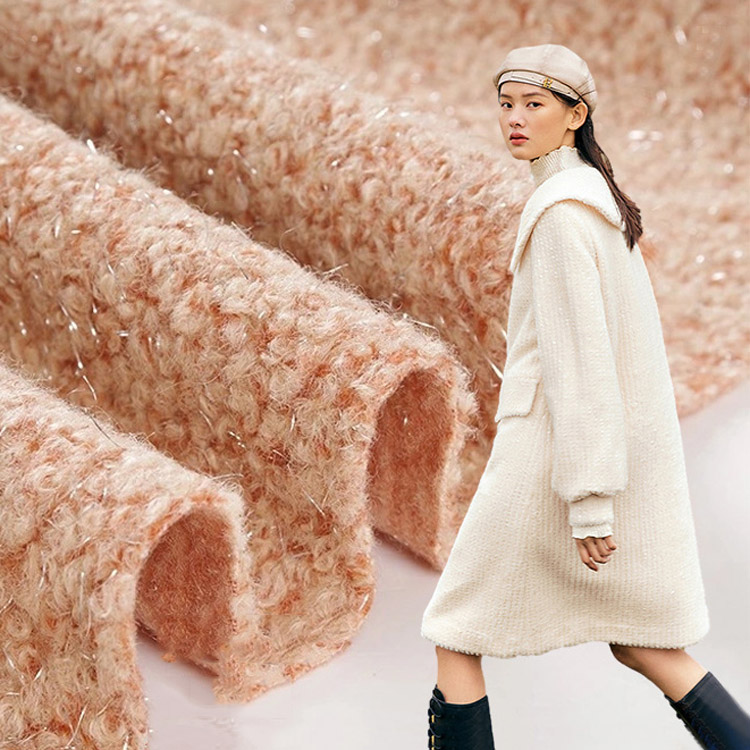
The central purpose of this discussion is to provide a professional and comprehensive guide on light woolen fabric, emphasizing its value for manufacturers, designers, and end-users. By understanding its composition, properties, and applications, businesses and consumers can make informed decisions, ensuring optimal product performance and sustainability.
What Are the Key Advantages of Light Woolen Fabric?
Light woolen fabric combines the natural benefits of wool with a lighter weight profile, offering multiple advantages over traditional fabrics.
Comfort and Breathability
The primary advantage lies in its excellent breathability and moisture-wicking properties. Unlike synthetic fabrics, light woolen fabric regulates temperature effectively, keeping the wearer warm in cold weather and cool in moderate conditions. Its natural crimp structure traps air efficiently, providing insulation without stiffness.
Softness and Texture
Advanced spinning techniques ensure that light woolen fabric remains soft to touch, suitable for garments worn directly against the skin. The fine fibers produce a smooth surface, reducing irritation and enhancing wearability for sensitive skin.
Durability and Elasticity
Despite its lightweight nature, this fabric maintains structural integrity over time. Wool fibers are naturally resilient, resistant to wrinkling, and possess high tensile strength, ensuring garments and home textiles retain shape even after repeated use.
Sustainable and Eco-Friendly
Light woolen fabric is biodegradable and renewable, aligning with growing global sustainability trends. It supports eco-conscious manufacturing, offering an alternative to fully synthetic textiles while maintaining luxury quality.
Versatility in Design
The fabric can be dyed, printed, and blended with other fibers, creating a wide spectrum of patterns and textures. This versatility allows designers to innovate in both fashion collections and interior furnishings.
Product Specifications Table
| Parameter | Specification Description |
|---|---|
| Fiber Type | 100% Natural Wool / Wool Blend |
| Weight | 150–250 GSM (Lightweight) |
| Thread Count | 60–90 threads per inch |
| Width | 150–160 cm |
| Color Options | Natural, Pastel, Dyed Variants |
| Texture | Soft, Smooth, Slightly Elastic |
| Breathability | High, Moisture-Wicking |
| Durability | High Tensile Strength, Resistant to Pilling |
| Care Instructions | Hand Wash or Gentle Machine Wash, Air Dry Recommended |
| Applications | Apparel, Scarves, Lightweight Jackets, Home Textiles, Drapery |
This table demonstrates the professional-grade quality of light woolen fabric, making it suitable for high-end fashion and premium interior uses.
How Does Light Woolen Fabric Function in Garments and Interiors?
Understanding the functional characteristics of light woolen fabric is essential for both product development and consumer application.
Thermal Regulation in Garments
Light woolen fabric’s fiber composition allows it to trap air, creating natural insulation without adding bulk. This makes it ideal for layering in winter clothing while remaining breathable for spring and fall wear. For tailored suits, jackets, and dresses, this property ensures comfort in varying temperatures.
Moisture Management
Wool fibers naturally absorb moisture without feeling wet, which keeps garments dry and prevents skin irritation. This feature is particularly valuable in scarves, shawls, and other close-contact apparel.
Draping and Flexibility
The lightweight nature of the fabric allows it to drape elegantly over different body forms or interior furnishings. Curtains, throws, and upholstery benefit from this feature, providing aesthetic appeal without heavy bulk.
Longevity in Use
Elasticity and resilience of wool fibers prevent deformation, ensuring garments retain their shape over time. This function reduces fabric fatigue, extending the life of premium apparel and textile products.
Compatibility with Blends and Treatments
Light woolen fabric can be blended with silk, cashmere, or synthetic fibers to achieve specialized performance such as added softness, sheen, or durability. Furthermore, it can be treated with eco-friendly finishes to enhance water repellency or stain resistance, expanding its application in both fashion and interiors.
Why Is Light Woolen Fabric Trending in Modern Fashion and Home Design?
Evolving Consumer Preferences
Consumers increasingly prefer materials that balance style, comfort, and sustainability. Light woolen fabric meets this need with its natural composition, luxurious texture, and versatility.
Sustainability and Eco-Conscious Manufacturing
With the global shift toward sustainable textiles, light woolen fabric provides a renewable and biodegradable option for designers. It reduces reliance on synthetic fibers, aligning with corporate social responsibility goals.
Technological Advancements in Textile Production
Recent innovations in spinning, weaving, and finishing techniques have allowed light woolen fabric to achieve consistent quality at competitive prices. This has made it accessible to a broader market, encouraging adoption in both ready-to-wear and high-end fashion segments.
Fashion Industry Applications
From lightweight coats to fine scarves, the fabric’s adaptability allows designers to experiment with cuts, textures, and layering without sacrificing comfort. Its breathable nature is particularly valued in transitional seasonal wear.
Interior Design Innovations
In interior applications, light woolen fabric is gaining popularity in drapery, decorative throws, and upholstery. Its combination of softness, resilience, and subtle texture complements contemporary and minimalist design aesthetics, making it a preferred choice for modern living spaces.
Frequently Asked Questions
Q1: How should light woolen fabric be cared for to maintain its quality?
A1: Light woolen fabric should be washed gently, preferably by hand or on a delicate machine cycle with mild detergent. Avoid high temperatures, wringing, or prolonged exposure to sunlight. Air drying on a flat surface prevents stretching and maintains softness.
Q2: Can light woolen fabric be blended with other fibers without losing its key properties?
A2: Yes. Blending with fibers like silk, cashmere, or polyester can enhance performance attributes such as softness, elasticity, or durability. Proper blending ensures that the fabric retains breathability and insulation while achieving desired design effects.
How Will Light Woolen Fabric Evolve in the Future Market?
Increasing Demand for Eco-Friendly Materials
As consumers and designers prioritize sustainability, light woolen fabric is expected to see continued growth in demand. Innovations in organic and ethically sourced wool will further enhance market appeal.
Advancements in Fabric Technology
Integration of nanotechnology and advanced finishing techniques may allow light woolen fabrics to gain water repellency, antibacterial properties, and enhanced durability, increasing their versatility in apparel and home applications.
Expansion in Global Fashion and Interior Markets
With rising appreciation for lightweight and natural textiles, light woolen fabric is likely to expand beyond traditional markets into regions with moderate climates, offering designers opportunities to innovate seasonal collections.
Enhanced Customization and Design Flexibility
Future developments may allow for highly customizable patterns, textures, and colors, accommodating the increasing demand for personalized fashion and interior solutions. The combination of lightweight comfort and visual appeal positions light woolen fabric as a material of choice for next-generation textiles.
Conclusion
Light woolen fabric represents a unique convergence of comfort, durability, and sustainability, making it highly suitable for modern fashion and interior applications. Its versatile properties, from thermal regulation to moisture management, ensure both designers and consumers benefit from high-quality, long-lasting products. With future advancements in production techniques and sustainable sourcing, light woolen fabric is poised to become a standard in premium textiles.
For premium light woolen fabric solutions, Zhejiang Jufei Textile Co., Ltd provides high-quality options with reliable performance. Contact us to explore custom fabrics and order specifications for your projects.
Send Inquiry




X
We use cookies to offer you a better browsing experience, analyze site traffic and personalize content. By using this site, you agree to our use of cookies.
Privacy Policy
-
Email
-
Call Us
-
Address
Guancheng International Keqiao Shaoxing, Zhejiang, China
Inquiry For PriceList
If you have any enquiry about quotation or cooperation, please feel free to email or use the following inquiry form. Our sales representative will contact you within 24 hours.
Copyright © 2022 Zhejiang Jufei Textile Co., Ltd.- Woolen Fabric, Knitting Fabric, Woven Fabric -All Rights reserved.