 English
 Español
  Português
  русский
  Français
  日本語
日本語  Deutsch
  tiếng Việt
  Italiano
  Nederlands
  ภาษาไทย
  Polski
  한국어
한국어  Svenska
  magyar
  Malay
Malay  বাংলা ভাষার
  Dansk
Dansk  Suomi
Suomi  हिन्दी
  Pilipino
  Türkçe
  Gaeilge
  العربية
  Indonesia
  Norsk
Norsk  تمل
تمل  český
český  ελληνικά
  український
  Javanese
  فارسی
فارسی  தமிழ்
தமிழ்  తెలుగు
  नेपाली
  Burmese
  български
  ລາວ
ລາວ  Latine
  Қазақша
  Euskal
  Azərbaycan
  Slovenský jazyk
  Македонски
  Lietuvos
  Eesti Keel
  Română
  Slovenski
  मराठी
मराठी  Srpski језик

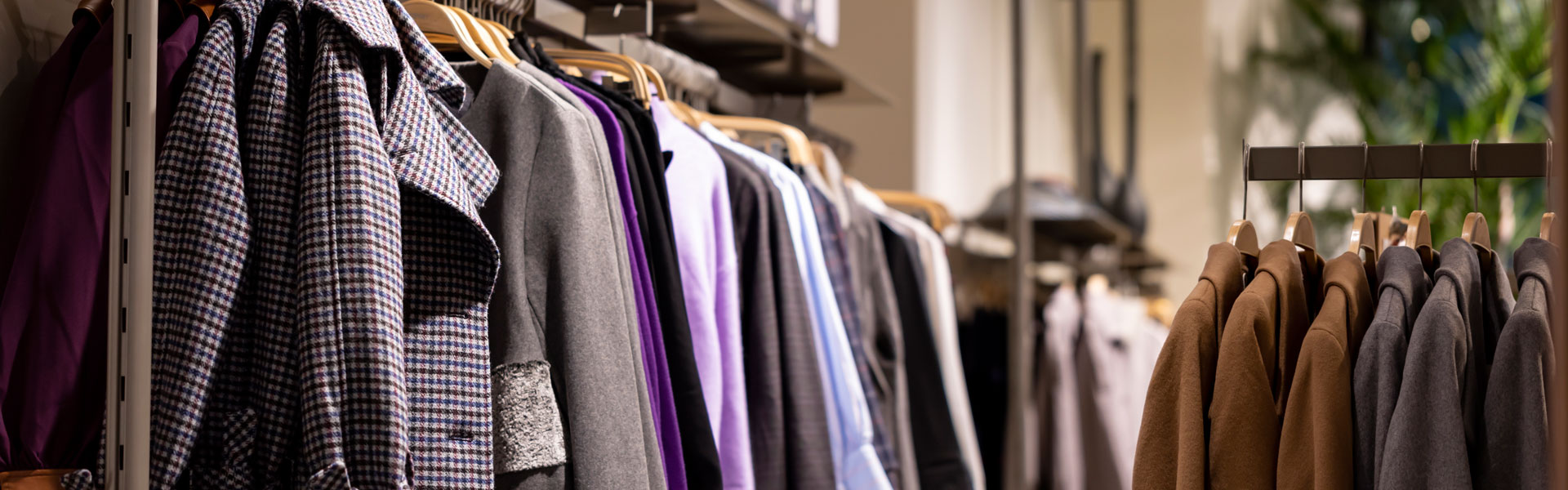
Why Is Middle-Weight Woolen Fabric Becoming a Preferred Choice for Quality Apparel?
Middle-weight woolen fabric has become a key material in the apparel and textile industry thanks to its balanced structure, comfortable wearing experience, and versatile performance across different climates. Sitting between lightweight and heavy wool fabrics, it offers optimal warmth, breathability, and drape, making it suitable for coats, suits, skirts, uniforms, outerwear, and premium fashion garments.
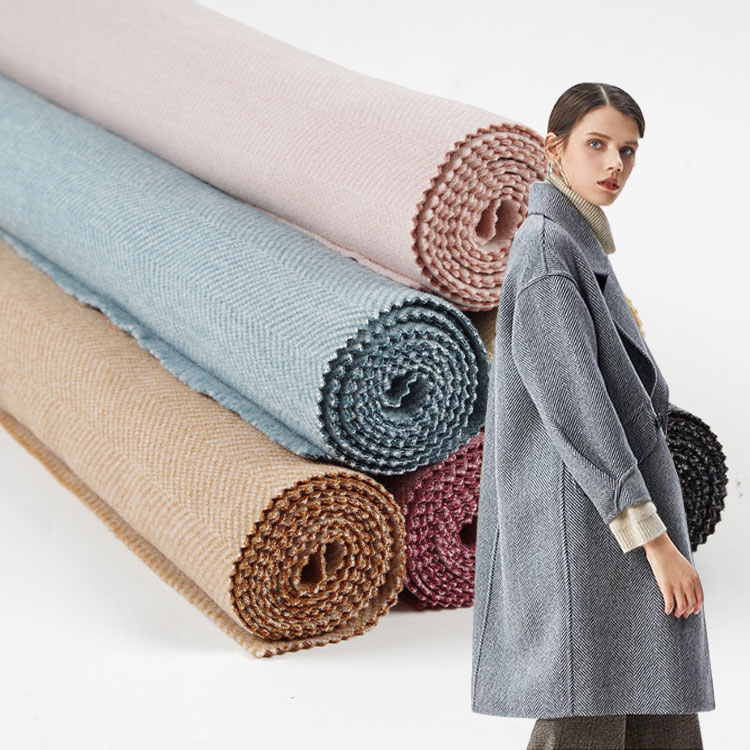
How Does Middle-Weight Woolen Fabric Deliver Balanced Performance?
Middle-weight woolen fabric stands out because it integrates warmth, texture, elasticity, and moisture regulation into a single material. Its fibers are carded, spun, and finished with precision, resulting in a surface that is soft yet resilient. This segment examines how this fabric reaches its ideal performance range and why it remains a preferred choice among apparel manufacturers.
Product Parameters Overview
| Parameter Category | Typical Specification | Functional Contribution |
|---|---|---|
| Weight | 260–380 g/m² | Ensures warmth and proper garment structure |
| Fiber Composition | 80–100% wool / wool blends | Enhances insulation, softness, and breathability |
| Thickness | Medium-density weave | Supports stability and shape retention |
| Width | 140–160 cm | Suitable for large-scale garment cutting |
| Finishing Options | Fulling, brushing, calendaring | Improves hand-feel, resilience, and appearance |
| Durability Grade | High abrasion resistance | Ideal for daily-wear garments |
| Color Availability | Solid, mélange, heathered options | Broad styling compatibility |
| Application Range | Coats, jackets, skirts, uniforms, fashion wear | Multi-scenario usage |
How the Structure Supports Comfort
Middle-weight woolen fabric uses entangled wool fibers that trap air, forming a thermally stable layer. This natural insulation provides:
-
Warmth without excess heaviness
-
A breathable environment that prevents overheating
-
Smooth drape suitable for both casual and formal garments
-
Excellent crease recovery thanks to wool’s natural elasticity
The fabric’s moisture-regulating capability further contributes to wearer comfort, allowing garments to remain dry even during prolonged use.
How Do the Functional Advantages of Middle-Weight Woolen Fabric Enhance Apparel Quality?
The advanced functional attributes of middle-weight woolen fabric make it a top choice for both designers and manufacturers. This section analyzes how these features elevate final garment performance.
Key Advantages
1. Thermal Regulation
Wool fibers naturally regulate temperature through micro-air pockets. The middle-weight category amplifies this effect by offering warmth appropriate for fall, winter, and early spring climates without feeling bulky.
2. Dimensional Stability
Fulling and controlled finishing help the fabric maintain its shape over time. Jackets and coats made from this material exhibit long-term form retention and minimal distortion.
3. High Elastic Recovery
Wool fibers possess natural crimp, enabling garments to resist wrinkles even after multiple hours of wear. This is particularly beneficial for uniforms and office apparel.
4. Environmental and Skin-Friendly Features
Wool fibers are biodegradable, renewable, and inherently resistant to odors and bacteria. Middle-weight versions retain these benefits while offering a smoother, more tailored surface.
5. Excellent Color Fastness
Due to wool’s affinity for dyes, the fabric can achieve deep, rich colors that maintain vibrancy through repeated wash cycles.
How Will Middle-Weight Woolen Fabric Evolve With Future Textile Trends?
As the global textile market leans toward sustainability, innovation, and high-performance apparel, middle-weight woolen fabric continues to adapt. Emerging technologies, eco-friendly processing, and evolving consumer expectations are shaping the next generation of wool textiles.
Future Trend Highlights
1. Sustainable Processing Technologies
The shift to non-chlorine wool treatments, biodegradable finishing agents, and low-energy dyeing reduces environmental impact. Production facilities are developing circular systems that recycle water and minimize chemical discharge.
2. Hybrid Fiber Integration
Future middle-weight fabrics will increasingly blend wool with:
-
Recycled polyester
-
Lyocell
-
Organic cotton
-
High-bulk acrylic
These combinations improve abrasion resistance, reduce cost, and offer new textures while preserving wool’s natural benefits.
3. Smart Wool Textiles
Innovations such as temperature-adaptive finishes and odor-neutralizing coatings are enhancing performance. These enhancements are expected to become standard in the next decade as consumers demand multi-functional clothing.
4. Expansion Into Technical and Luxury Markets
Middle-weight woolen fabric is entering industries beyond fashion, including:
-
Travel garments
-
Outdoor lifestyle apparel
-
Luxury leisurewear
-
Professional uniforms
-
Boutique designer markets
As both fashion and function merge, the fabric’s versatility ensures a growing presence in premium global markets.
How Can Apparel Brands Choose the Right Middle-Weight Woolen Fabric?
Selecting high-quality middle-weight woolen fabric requires evaluating technical standards, application needs, and processing quality. Brands must consider fiber integrity, finishing methods, and long-term garment performance.
Professional Selection Guidelines
1. Assess the Fiber Quality
High-grade wool should exhibit uniform fineness, elasticity, and minimal fiber breakage. Blended versions should retain natural wool characteristics while improving durability.
2. Examine the Fabric Surface
A quality middle-weight woolen fabric should have:
-
A smooth surface
-
Even density
-
Minimal pilling
-
Steady color distribution
These factors influence garment aesthetics and durability.
3. Confirm Dimensional Stability
Testing shrinkage, recovery rate, and distortion resistance ensures garments maintain their shape after cutting and sewing.
4. Evaluate Application Fit
Different applications require specific qualities:
-
Coats & Jackets: Higher density and smooth finishing
-
Uniforms: High elasticity and abrasion resistance
-
Fashion Wear: Enhanced drape and color richness
5. Understand the Manufacturing Standards
Reliable textile suppliers use advanced looms, eco-friendly dyeing processes, and standardized quality inspections.
Frequently Asked Questions
Q1: How does middle-weight woolen fabric differ from lightweight woolen fabric?
A1: Middle-weight woolen fabric is denser and warmer than lightweight versions, making it suitable for structured garments such as coats, suits, and jackets. Lightweight wool fabrics are better for summer garments, scarves, and layering pieces. The difference in density also enhances durability and increases resistance to wear, helping middle-weight fabrics maintain their shape over long periods.
Q2: How should middle-weight woolen fabric garments be maintained for long-term use?
A2: Garments should be spot-cleaned when possible and dry-cleaned when necessary. They should be stored in a cool, ventilated environment with moth-repellent protection. Brushing the surface helps maintain fabric texture, and avoiding prolonged dampness prevents fiber distortion. Following proper care guidelines significantly extends the lifespan of wool garments.
Middle-weight woolen fabric continues to influence global apparel design because it balances warmth, structure, comfort, and visual appeal. Its durability and adaptability make it an excellent material for coats, jackets, skirts, and uniforms, while emerging technologies and sustainable production reinforce its relevance in the evolving fashion landscape. For brands seeking dependable quality and professional manufacturing capabilities, Zhejiang Jufei Textile Co., Ltd provides advanced production standards, consistent quality control, and a wide range of middle-weight woolen fabrics tailored to modern market needs. For more information or to explore customized textile solutions, contact us to discuss your requirements.
Send Inquiry




X
We use cookies to offer you a better browsing experience, analyze site traffic and personalize content. By using this site, you agree to our use of cookies.
Privacy Policy
-
Email
-
Call Us
-
Address
Guancheng International Keqiao Shaoxing, Zhejiang, China
Inquiry For PriceList
If you have any enquiry about quotation or cooperation, please feel free to email or use the following inquiry form. Our sales representative will contact you within 24 hours.
Copyright © 2022 Zhejiang Jufei Textile Co., Ltd.- Woolen Fabric, Knitting Fabric, Woven Fabric -All Rights reserved.