 English
 Español
  Português
  русский
  Français
  日本語
日本語  Deutsch
  tiếng Việt
  Italiano
  Nederlands
  ภาษาไทย
  Polski
  한국어
한국어  Svenska
  magyar
  Malay
Malay  বাংলা ভাষার
  Dansk
Dansk  Suomi
Suomi  हिन्दी
  Pilipino
  Türkçe
  Gaeilge
  العربية
  Indonesia
  Norsk
Norsk  تمل
تمل  český
český  ελληνικά
  український
  Javanese
  فارسی
فارسی  தமிழ்
தமிழ்  తెలుగు
  नेपाली
  Burmese
  български
  ລາວ
ລາວ  Latine
  Қазақша
  Euskal
  Azərbaycan
  Slovenský jazyk
  Македонски
  Lietuvos
  Eesti Keel
  Română
  Slovenski
  मराठी
मराठी  Srpski језик

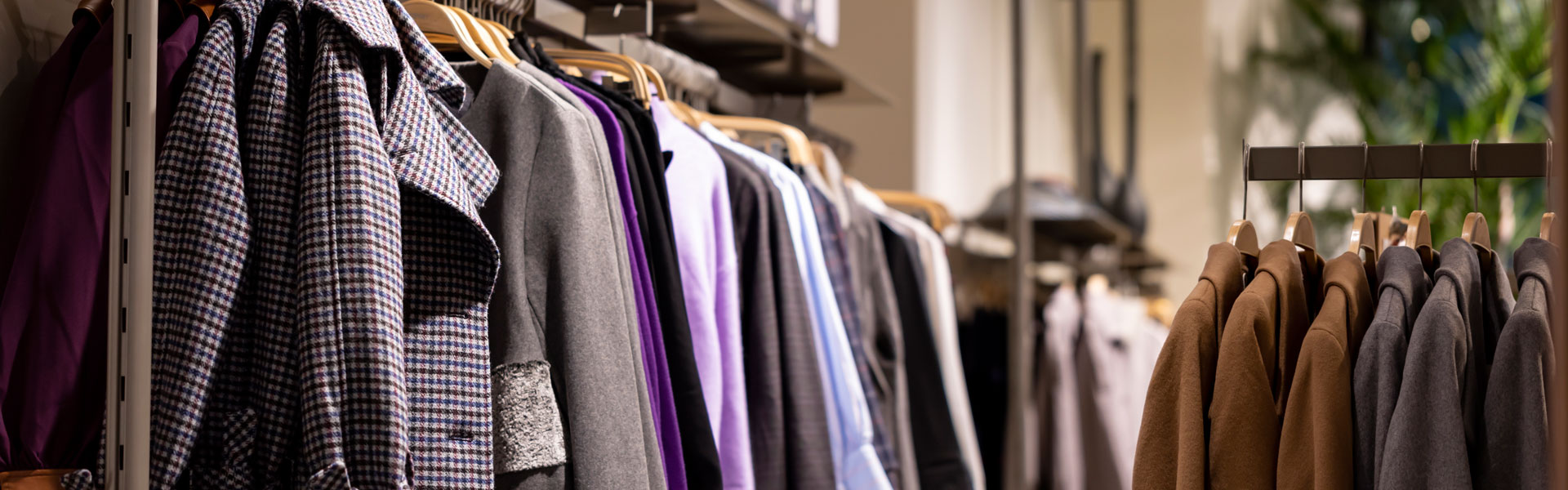
How to Choose and Utilize Unique Woolen Fabrics Effectively?
Abstract: This comprehensive guide explores Unique Woolen Fabrics, analyzing their specifications, applications, and usage considerations. It presents detailed product parameters, FAQs, and expert insights for manufacturers, designers, and textile enthusiasts. By following this guide, readers will gain a full understanding of how to select, apply, and maintain high-quality wool fabrics for various purposes.
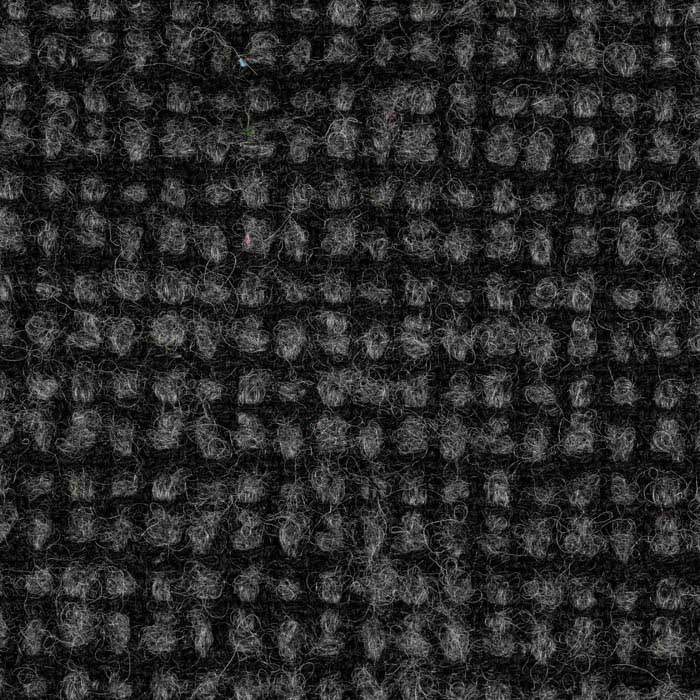
Table of Contents
1. Introduction to Unique Woolen Fabrics
Unique Woolen Fabrics are high-grade textile materials produced from premium wool fibers, designed to offer superior comfort, durability, and versatility. They are widely used in garments, upholstery, and industrial textile applications due to their natural insulating properties, breathability, and aesthetic appeal. This article aims to provide a detailed analysis of Unique Woolen Fabrics, helping readers understand how to select appropriate wool types, assess fabric quality, and optimize applications across various scenarios.
The central premise of this guide revolves around understanding the distinct characteristics and practical uses of Unique Woolen Fabrics. By examining product specifications, application techniques, and commonly asked questions, manufacturers and designers can make informed decisions when integrating wool textiles into their projects.
2. Detailed Product Parameters
Understanding the specifications of Unique Woolen Fabrics is critical to ensure appropriate selection and application. The table below summarizes essential parameters commonly used in the industry:
| Parameter | Specification | Description |
|---|---|---|
| Fiber Origin | Merino, Cashmere, Shetland | Determines softness, warmth, and durability of the fabric. |
| Weave Type | Twill, Plain, Herringbone | Influences fabric texture, strength, and drape behavior. |
| Weight | 200–500 GSM | Indicates thickness and suitability for specific applications (garments vs upholstery). |
| Width | 140–160 cm | Standard fabric width for industrial cutting and production. |
| Color Range | Custom dyeing available | Supports aesthetic customization and matching project requirements. |
| Finishing | Softening, Anti-pilling, Water-resistant | Enhances comfort, durability, and fabric maintenance. |
3. How to Apply Unique Woolen Fabrics in Different Scenarios
3.1 How to Select the Right Wool Type for Clothing
Choosing the correct wool type depends on the intended garment use. Merino wool is ideal for lightweight, breathable clothing, while Shetland wool offers heavier textures suitable for outerwear. Cashmere provides a premium soft touch for luxury apparel. Consider weight, weave, and fiber origin when selecting fabrics to ensure comfort and durability.
3.2 How to Use Unique Woolen Fabrics in Home Textile Applications
Woolen fabrics excel in upholstery, curtains, and decorative throws due to their insulating properties. Twill or Herringbone weaves provide structural strength, while anti-pilling finishes extend lifespan. Proper laundering and fabric care maintain softness and appearance.
3.3 How to Optimize Fabric Performance in Industrial Applications
In industrial applications, Unique Woolen Fabrics can be used in protective clothing, blankets, and acoustic panels. Selecting fabrics with specific GSM and finishing options, such as water-resistance or fire retardancy, enhances functionality. Understanding the fiber’s thermal properties ensures safety and efficiency in industrial settings.
3.4 How to Maintain and Care for Unique Woolen Fabrics
Maintenance is essential to prolong fabric life. Wool should be dry-cleaned or hand-washed with gentle detergents. Avoid excessive heat to prevent shrinkage. Regular brushing removes dust and preserves fiber integrity. Storing fabrics in breathable conditions prevents mold and deterioration.
4. Frequently Asked Questions About Unique Woolen Fabrics
Q1: How durable are Unique Woolen Fabrics?
A1: The durability of woolen fabrics depends on fiber origin and weave type. Merino wool offers flexibility and moderate durability, while Shetland wool provides higher abrasion resistance. Proper finishing, such as anti-pilling treatments, significantly extends the fabric’s lifespan.
Q2: How should Unique Woolen Fabrics be cleaned?
A2: Cleaning requires careful attention. Hand washing or professional dry cleaning is recommended. Cold water and mild detergents prevent fiber damage. Avoid tumble drying and direct heat exposure to maintain fabric structure.
Q3: How to select wool fabric for specific climates?
A3: Lightweight wool types like Merino are suitable for warmer climates, providing breathability and moisture regulation. Heavier wools, including Shetland or blended fabrics, are better for colder environments due to their superior insulation properties.
Q4: How to combine Unique Woolen Fabrics with other materials?
A4: Wool blends with silk, cotton, or synthetic fibers enhance texture, elasticity, and cost-effectiveness. Choosing blends depends on desired drape, warmth, and durability. Testing small samples ensures compatibility and desired performance.
5. Conclusion and Brand Introduction
Unique Woolen Fabrics provide versatile solutions for clothing, home textiles, and industrial applications. Understanding product specifications, application techniques, and maintenance ensures optimal performance and longevity. By following these guidelines, textile professionals can achieve superior quality outcomes while maximizing efficiency and fabric utility.
Jufei Textile, a leading provider of high-quality woolen fabrics, offers extensive expertise in fiber sourcing, dyeing, and finishing. Their portfolio includes premium Merino, Cashmere, and Shetland wool products tailored to meet diverse industrial and fashion requirements. For inquiries, customized orders, or further information on Unique Woolen Fabrics, please contact us.
Send Inquiry




X
We use cookies to offer you a better browsing experience, analyze site traffic and personalize content. By using this site, you agree to our use of cookies.
Privacy Policy
-
Email
-
Call Us
-
Address
Guancheng International Keqiao Shaoxing, Zhejiang, China
Inquiry For PriceList
If you have any enquiry about quotation or cooperation, please feel free to email or use the following inquiry form. Our sales representative will contact you within 24 hours.
Copyright © 2022 Zhejiang Jufei Textile Co., Ltd.- Woolen Fabric, Knitting Fabric, Woven Fabric -All Rights reserved.