 English
 Español
  Português
  русский
  Français
  日本語
日本語  Deutsch
  tiếng Việt
  Italiano
  Nederlands
  ภาษาไทย
  Polski
  한국어
한국어  Svenska
  magyar
  Malay
Malay  বাংলা ভাষার
  Dansk
Dansk  Suomi
Suomi  हिन्दी
  Pilipino
  Türkçe
  Gaeilge
  العربية
  Indonesia
  Norsk
Norsk  تمل
تمل  český
český  ελληνικά
  український
  Javanese
  فارسی
فارسی  தமிழ்
தமிழ்  తెలుగు
  नेपाली
  Burmese
  български
  ລາວ
ລາວ  Latine
  Қазақша
  Euskal
  Azərbaycan
  Slovenský jazyk
  Македонски
  Lietuvos
  Eesti Keel
  Română
  Slovenski
  मराठी
मराठी  Srpski језик

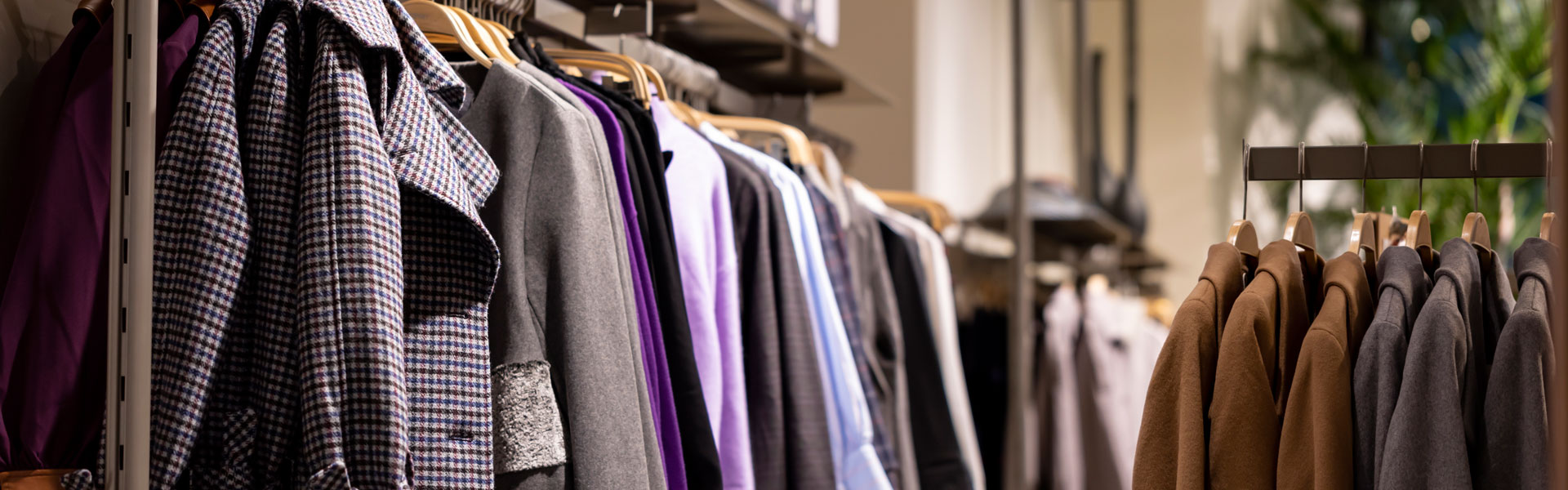
How Is Vintage Chanel Style Fabric Interpreted in Contemporary Textile Markets?
Article Abstract
Vintage Chanel Style Fabric represents a long-standing textile category inspired by classic European couture aesthetics, particularly structured tweeds and boucle fabrics. This article examines how such fabrics are defined, produced, specified, and applied within modern fashion and textile supply chains. The discussion focuses on material parameters, weaving logic, functional performance, common buyer questions, and evolving market directions. The objective is to provide a technically grounded and commercially relevant reference for designers, buyers, and sourcing professionals seeking clarity on this fabric category.
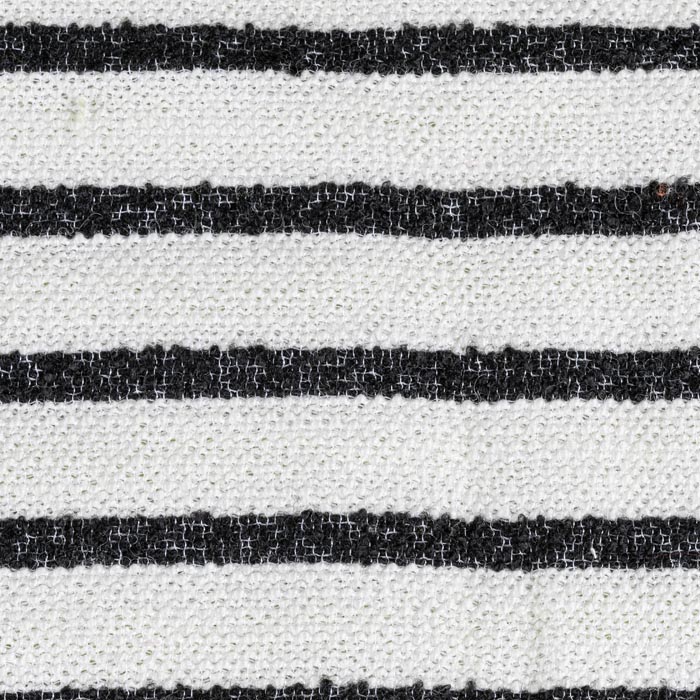
Table of Contents
- How Is Vintage Chanel Style Fabric Defined Today?
- How Do Technical Parameters Determine Fabric Performance?
- How Is Vintage Chanel Style Fabric Applied Across Fashion Segments?
- How Will Vintage Chanel Style Fabric Evolve in Future Markets?
Outline
- Conceptual background and stylistic origins
- Material composition and weaving structure
- Technical specifications and quality indicators
- Application scenarios and garment compatibility
- Frequently asked questions with detailed answers
- Market evolution and long-term textile trends
How Is Vintage Chanel Style Fabric Defined Today?
Vintage Chanel Style Fabric is generally understood as a category of woven textiles that draw inspiration from mid-20th-century French couture fabrics, particularly textured tweeds characterized by looped yarns, multi-tone coloration, and structural stability. Rather than functioning as a single standardized fabric, it represents a stylistic framework governed by weaving techniques, yarn selection, and surface texture.
In contemporary textile markets, this fabric is no longer limited to traditional wool tweeds. Manufacturers integrate blended fibers, refined looms, and controlled finishing processes to achieve consistent quality while preserving the visual complexity associated with vintage couture. The central objective is to balance heritage aesthetics with modern wearability, scalability, and sourcing efficiency.
From a design perspective, Vintage Chanel Style Fabric is often selected for its ability to convey structure without stiffness. The interlaced yarns create natural body, making the fabric suitable for tailored silhouettes while maintaining comfort. Its visual depth allows garments to remain minimal in construction while still appearing sophisticated.
How Do Technical Parameters Determine Fabric Performance?
Understanding Vintage Chanel Style Fabric requires a detailed examination of its technical parameters. These specifications directly influence durability, drape, breathability, and garment longevity. Professional buyers and designers typically assess the following core indicators.
| Parameter | Typical Specification Range | Functional Significance |
|---|---|---|
| Material Composition | Wool, Polyester, Acrylic, Cotton Blends | Balances warmth, durability, and cost efficiency |
| Fabric Weight | 320–580 GSM | Determines seasonal suitability and garment structure |
| Weave Type | Boucle, Plain Tweed, Fancy Yarn Weave | Controls surface texture and visual depth |
| Width | 140–150 cm | Affects cutting efficiency and production yield |
| Color Construction | Multi-yarn, Space-Dyed, Mélange | Creates layered tonal effects without printing |
The weaving process is particularly critical. Unlike flat fabrics, Vintage Chanel Style Fabric relies on tension variation between core yarns and effect yarns. This creates subtle loops and irregularities that are intentional rather than defects. Proper loom calibration ensures consistency while maintaining the handcrafted appearance expected in premium fashion textiles.
Finishing treatments are typically minimal. Excessive brushing or coating can flatten texture and diminish authenticity. Instead, controlled steaming and stabilization processes are applied to preserve dimensional integrity during garment construction and wear.
Common Questions About Vintage Chanel Style Fabric
How does Vintage Chanel Style Fabric differ from standard tweed?
Standard tweed prioritizes durability and outdoor performance, whereas Vintage Chanel Style Fabric emphasizes refined texture, lighter structural balance, and visual complexity suited for urban and luxury fashion applications.
How should this fabric be handled during garment production?
Cutting requires stabilized lay plans due to yarn movement at the edges. Interfacing selection must be lightweight to avoid suppressing texture, and seam finishes should account for yarn shedding.
How can fabric quality be evaluated before bulk purchasing?
Evaluation should include yarn pull resistance testing, color fastness under dry friction, dimensional stability after steaming, and visual inspection under directional lighting to confirm texture uniformity.
How Is Vintage Chanel Style Fabric Applied Across Fashion Segments?
Vintage Chanel Style Fabric is most commonly associated with womenswear tailoring, including jackets, skirts, and coordinated sets. However, its application has expanded into contemporary fashion categories as designers reinterpret classic materials through modern silhouettes.
In luxury ready-to-wear, the fabric is frequently used for collarless jackets, cropped outerwear, and structured dresses. The inherent texture allows designers to minimize embellishment, relying instead on fabric surface to convey refinement.
In premium commercial fashion, blended versions of the fabric are adopted for improved cost control and ease of care. These iterations retain the visual cues of traditional couture while aligning with large-scale production requirements.
Accessories such as handbags, footwear panels, and headwear also utilize Vintage Chanel Style Fabric due to its dimensional stability and tactile appeal. When reinforced with backing materials, it performs effectively beyond apparel contexts.
How Will Vintage Chanel Style Fabric Evolve in Future Markets?
The future of Vintage Chanel Style Fabric is shaped by sustainability, material innovation, and shifting consumer expectations. Textile producers are increasingly exploring recycled fibers and low-impact dyeing methods to align with environmental standards without compromising visual richness.
Digital loom technology enables more precise control over yarn placement, allowing manufacturers to replicate vintage aesthetics with higher consistency. This reduces waste and enhances scalability while maintaining design authenticity.
From a market perspective, there is growing demand for fabrics that communicate heritage while supporting modern lifestyles. Lightweight constructions, seasonless weights, and improved wrinkle recovery are becoming standard requirements.
Brands seeking long-term relevance are positioning Vintage Chanel Style Fabric not as a nostalgic element, but as a foundational textile capable of evolving with fashion cycles. This adaptability ensures its continued presence across global fashion markets.
Brand Perspective and Industry Commitment
Within this evolving landscape, Jufei continues to focus on controlled production, stable quality parameters, and market-aligned fabric development. By integrating material expertise with trend analysis, the brand supports designers and sourcing professionals seeking reliable access to Vintage Chanel Style Fabric solutions.
For further information regarding specifications, sampling, or sourcing collaboration, inquiries are welcomed through the official contact channels. Professional consultation enables accurate alignment between fabric selection and end-use requirements.
Contact us to explore how Vintage Chanel Style Fabric can be integrated into upcoming collections with confidence and technical clarity.
Send Inquiry




X
We use cookies to offer you a better browsing experience, analyze site traffic and personalize content. By using this site, you agree to our use of cookies.
Privacy Policy
-
Email
-
Call Us
-
Address
Guancheng International Keqiao Shaoxing, Zhejiang, China
Inquiry For PriceList
If you have any enquiry about quotation or cooperation, please feel free to email or use the following inquiry form. Our sales representative will contact you within 24 hours.
Copyright © 2022 Zhejiang Jufei Textile Co., Ltd.- Woolen Fabric, Knitting Fabric, Woven Fabric -All Rights reserved.