 English
 Español
  Português
  русский
  Français
  日本語
日本語  Deutsch
  tiếng Việt
  Italiano
  Nederlands
  ภาษาไทย
  Polski
  한국어
한국어  Svenska
  magyar
  Malay
Malay  বাংলা ভাষার
  Dansk
Dansk  Suomi
Suomi  हिन्दी
  Pilipino
  Türkçe
  Gaeilge
  العربية
  Indonesia
  Norsk
Norsk  تمل
تمل  český
český  ελληνικά
  український
  Javanese
  فارسی
فارسی  தமிழ்
தமிழ்  తెలుగు
  नेपाली
  Burmese
  български
  ລາວ
ລາວ  Latine
  Қазақша
  Euskal
  Azərbaycan
  Slovenský jazyk
  Македонски
  Lietuvos
  Eesti Keel
  Română
  Slovenski
  मराठी
मराठी  Srpski језик

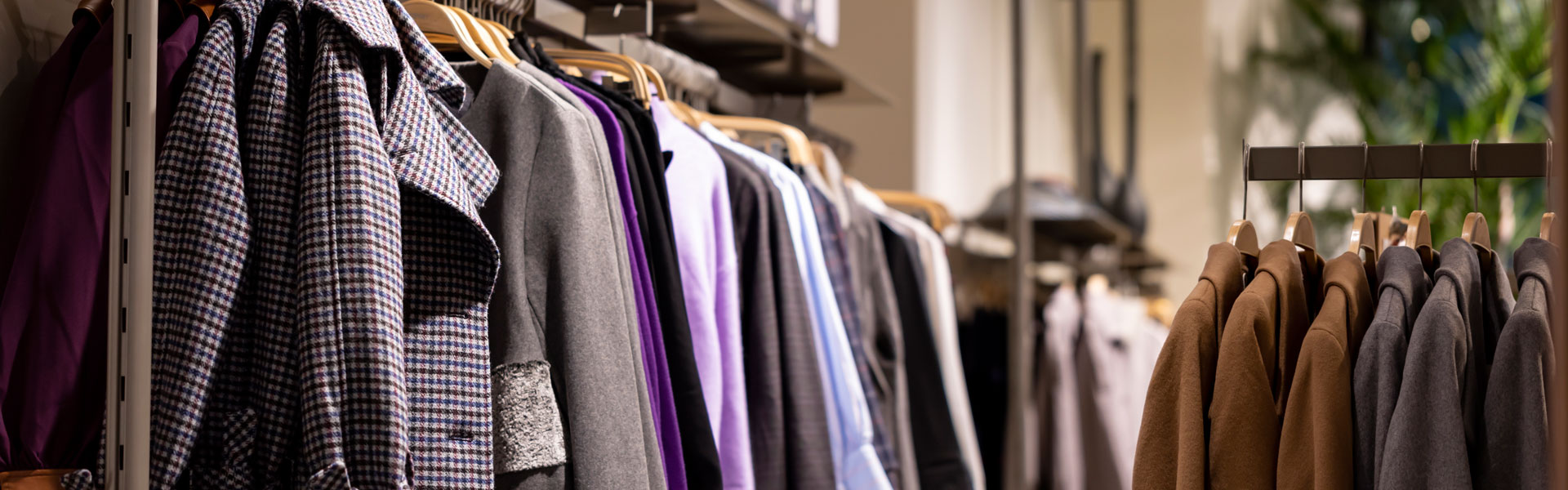
How Can Light Woolen Fabric Enhance Your Textile Products?
Article Summary
Light woolen fabric is an essential material in the fashion and textile industry, offering comfort, warmth, and versatile design possibilities. Understanding its properties, applications, and quality standards can help manufacturers, designers, and retailers overcome common challenges in sourcing and production. This article provides a detailed guide to light woolen fabric, including its characteristics, advantages, selection criteria, production considerations, and practical applications.
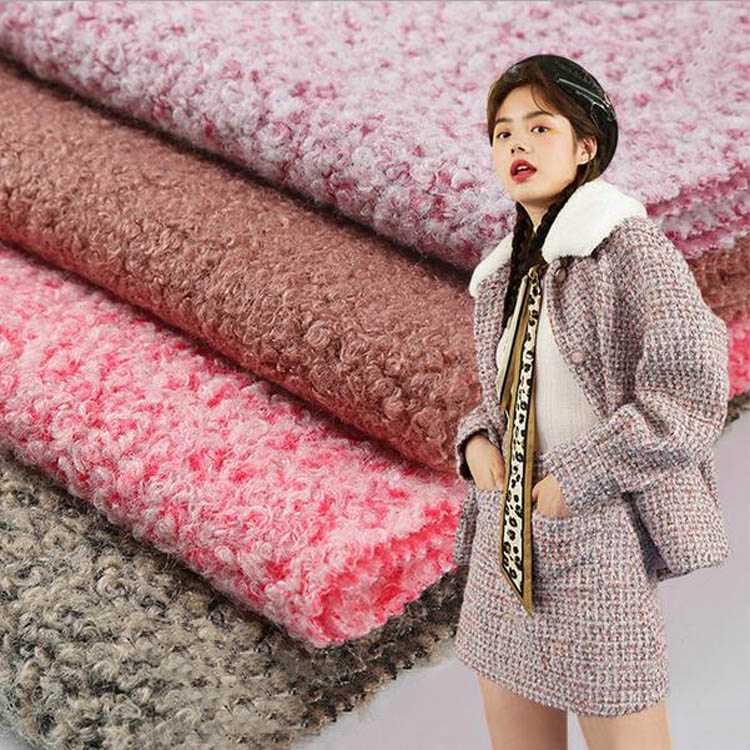
Table of Contents
- Overview of Light Woolen Fabric
- Common Customer Pain Points
- Types and Variations
- How to Choose the Right Light Woolen Fabric
- Production Considerations and Performance Factors
- Light Woolen Fabric Comparison Table
- Care and Maintenance
- Application Scenarios
- Frequently Asked Questions
- Conclusion and Contact Us
Overview of Light Woolen Fabric
Light woolen fabric is made from fine wool fibers woven or knitted into a lightweight textile. Unlike heavy wool, it offers a delicate hand feel, breathability, and drape suitable for various garment types, including suits, coats, scarves, and fashion apparel. Its natural elasticity and insulation properties make it ideal for both indoor and outdoor clothing. Zhejiang Jufei Textile Co., Ltd produces light woolen fabrics that balance softness, durability, and consistent quality, catering to both high-end fashion and mass production requirements.
Common Customer Pain Points
Working with light woolen fabrics can present several challenges for manufacturers and designers. Recognizing these issues early helps reduce production delays and improve product quality.
- Fabric shrinkage after washing or dry cleaning
- Color inconsistency between batches
- Fiber shedding and pilling during wear
- Difficulty in cutting and sewing due to delicate texture
- Inadequate insulation if weight and density are not optimized
- High cost due to premium wool quality
Types and Variations
Light woolen fabric comes in multiple varieties, each offering distinct aesthetic and functional qualities. Understanding these types helps in selecting the best fabric for specific applications.
- Merino Wool – Fine, soft, breathable, suitable for premium clothing
- Cashmere Blend – Luxurious texture, lightweight, high insulation
- Lambswool – Smooth hand feel, good elasticity, ideal for casual wear
- Wool-Silk Blend – Combines shine and drape with warmth
- Superfine Wool – High-quality wool for tailored garments
How to Choose the Right Light Woolen Fabric
Selecting the ideal light woolen fabric requires careful consideration of several factors to meet product and production goals.
- Fiber composition and origin for softness and durability
- Fabric weight and density for drape and insulation
- Weave or knit type for intended garment design
- Colorfastness to washing and exposure to sunlight
- Supplier reliability and batch consistency
Zhejiang Jufei Textile Co., Ltd provides guidance and detailed specifications to help customers select the most suitable light woolen fabrics for their collections.
Production Considerations and Performance Factors
Fabric handling, cutting, and sewing techniques significantly affect the final product quality. Key considerations include:
- Pre-shrinking and relaxation processes to minimize post-production shrinkage
- Precision cutting and handling to prevent distortion or fraying
- Use of appropriate sewing threads and needles for delicate fibers
- Temperature and humidity control in production facilities
- Consistent batch inspection for color and texture uniformity
Light Woolen Fabric Comparison Table
| Fabric Type | Weight | Texture | Best Use |
|---|---|---|---|
| Merino Wool | 120–180 g/m² | Soft, fine | Premium suits, fashion apparel |
| Cashmere Blend | 100–160 g/m² | Luxurious, lightweight | Scarves, sweaters, coats |
| Lambswool | 130–200 g/m² | Smooth, elastic | Casual garments, knitwear |
| Wool-Silk Blend | 110–180 g/m² | Soft with natural sheen | Elegant garments, formal wear |
Care and Maintenance
Proper care ensures longevity and appearance retention for light woolen fabrics. Recommended practices include:
- Hand washing or dry cleaning with gentle detergents
- Air drying flat to maintain shape
- Using low-temperature ironing with protective cloth
- Storing garments in breathable bags to prevent moth damage
- Regular pilling removal with fabric shavers or combs
Application Scenarios
Light woolen fabrics are versatile, suitable for both fashion and functional applications:
- High-end tailoring and suits
- Coats, jackets, and outerwear
- Knitwear including sweaters and cardigans
- Scarves, wraps, and accessories
- Luxury home textiles such as blankets and throws
Frequently Asked Questions
What makes light woolen fabric different from regular wool?
Light woolen fabric uses finer fibers and lighter weight, providing better drape and comfort while retaining warmth.
Can light woolen fabric be machine washed?
Some blends allow gentle machine washing, but dry cleaning is generally recommended to preserve shape and texture.
How do I prevent pilling?
Select high-quality fibers, avoid friction during wear, and use fabric shavers for maintenance.
Is light woolen fabric suitable for all climates?
Yes, its breathability and lightweight nature make it suitable for layered clothing in various climates.
Conclusion and Contact Us
Light woolen fabric offers unmatched versatility and comfort, making it a preferred choice for premium garments and textiles. Understanding fabric types, quality considerations, and production techniques ensures optimal product performance. Zhejiang Jufei Textile Co., Ltd provides high-quality light woolen fabrics with consistent color, texture, and durability, tailored to both fashion and industrial applications.
To explore our range of light woolen fabrics or to receive professional guidance on selection and customization, contact us today and discover how Zhejiang Jufei Textile Co., Ltd can support your textile projects.
Send Inquiry




X
We use cookies to offer you a better browsing experience, analyze site traffic and personalize content. By using this site, you agree to our use of cookies.
Privacy Policy
-
Email
-
Call Us
-
Address
Guancheng International Keqiao Shaoxing, Zhejiang, China
Inquiry For PriceList
If you have any enquiry about quotation or cooperation, please feel free to email or use the following inquiry form. Our sales representative will contact you within 24 hours.
Copyright © 2022 Zhejiang Jufei Textile Co., Ltd.- Woolen Fabric, Knitting Fabric, Woven Fabric -All Rights reserved.